New Next-Gen Dish Adds Muscle to NASA’s Deep Space Network
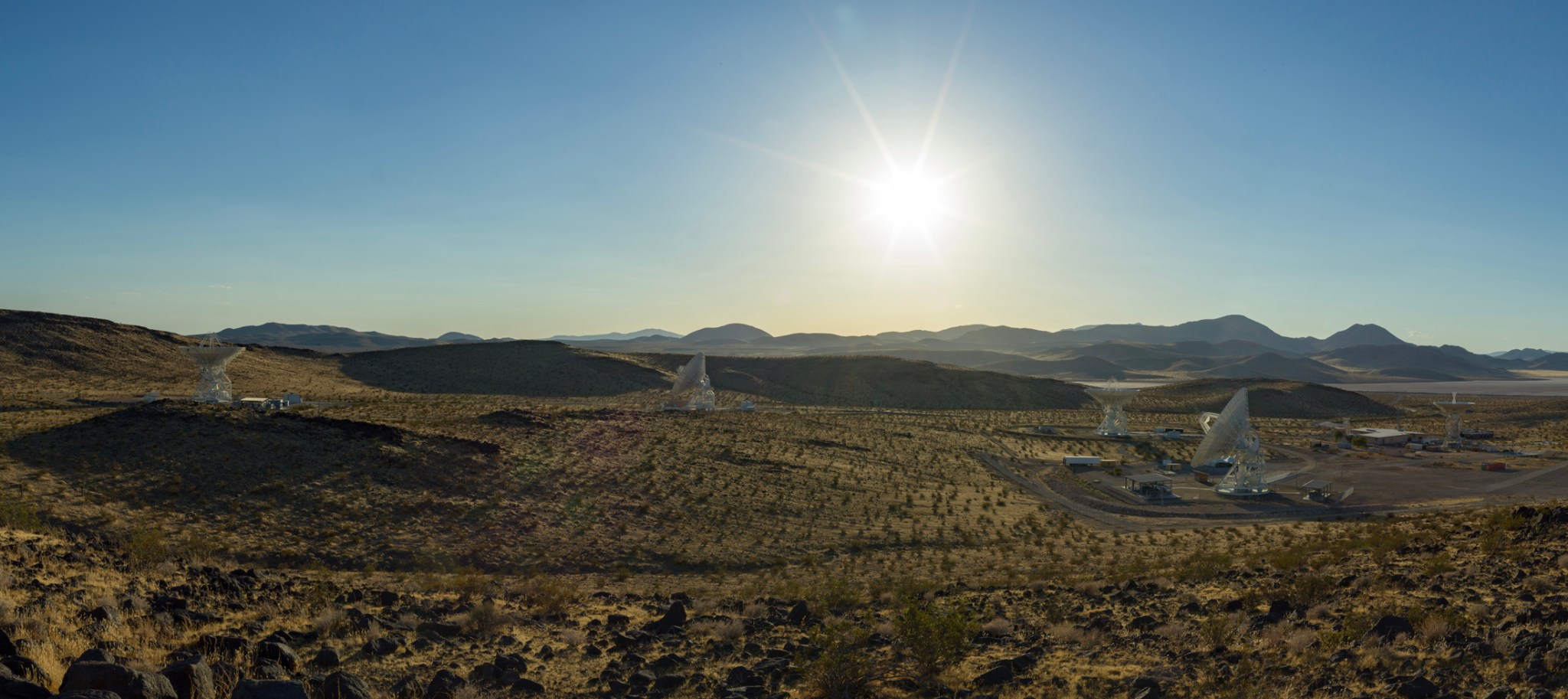
NASA's Deep Space Network (DSN) facility in California has added a new 34-meter-wide (114-foot-wide) radio frequency antenna, Deep Space Station 23 (DSS-23), at the Goldstone Deep Space Communications Complex near Barstow. The DSN uses giant dish antennas at three global facilities to support more than 40 spacecraft exploring the solar system and interstellar space. NASA leadership and personnel gathered for a ceremonial ribbon cutting at the completed antenna.
DSS-23 is the latest addition under the DSN's Aperture Enhancement Project, which began in 2009 to upgrade and expand the network by adding six new 34-meter multifrequency beam-waveguide antennas. Construction of DSS-23 began in February 2020. The 133-ton metal reflector framework was placed and bolted atop the antenna's pedestal in December 2024, then panels that reflect radio frequency signals were installed and calibrated so the antenna works in concert with the rest of the network.
After completing a testing campaign from May through July, DSS-23 began operations on Aug. 3, tracking NASA's Chandra X-ray Observatory. Since then it has communicated with dozens of missions, including Mars Reconnaissance Orbiter, Psyche, Juno, Voyager 1, and other robotic spacecraft in deep space. It is the fifth antenna at Goldstone and the fifth enhancement project antenna to join the network, which also includes sites in Madrid and Canberra, Australia. Officials highlighted the antenna's role in strengthening NASA's communications infrastructure for future exploration, from more extensive lunar missions to deeper solar system probes.