SpaceX's Starship launching to orbit for first time ever today
SpaceX successfully launched Starship into orbit for the first time on Sept. 28, deploying 26 Starlink satellites before a splashdown in the Northern Pacific Ocean. The flight, Starship's 14th, launched from Starbase in South Texas during a 75-minute window that opened at 8:15 a.m. EDT (1215 GMT; 7:15 a.m. local Texas time), with SpaceX live coverage beginning about 30 minutes before liftoff. The update pointed readers to the full Flight 14 launch story with videos and photos and to views of Starship in orbit as seen by Starlink; a replay was titled 'SpaceX Starship Reaches Orbit for 1st Time, Splashes Down and Explodes.'
Starship is the biggest and most powerful rocket ever built, standing 407 feet (124 meters) tall when fully stacked. Both stages—the Super Heavy booster and the Ship upper-stage spacecraft—are designed to be fully and rapidly reusable, a breakthrough SpaceX has called the 'holy grail of rocketry.' SpaceX believes Starship will open the heavens like never before, allowing humanity to settle the moon and Mars and perhaps venture even farther afield, but the rocket is still in its flight-test phase and not yet ready for that world-changing work.
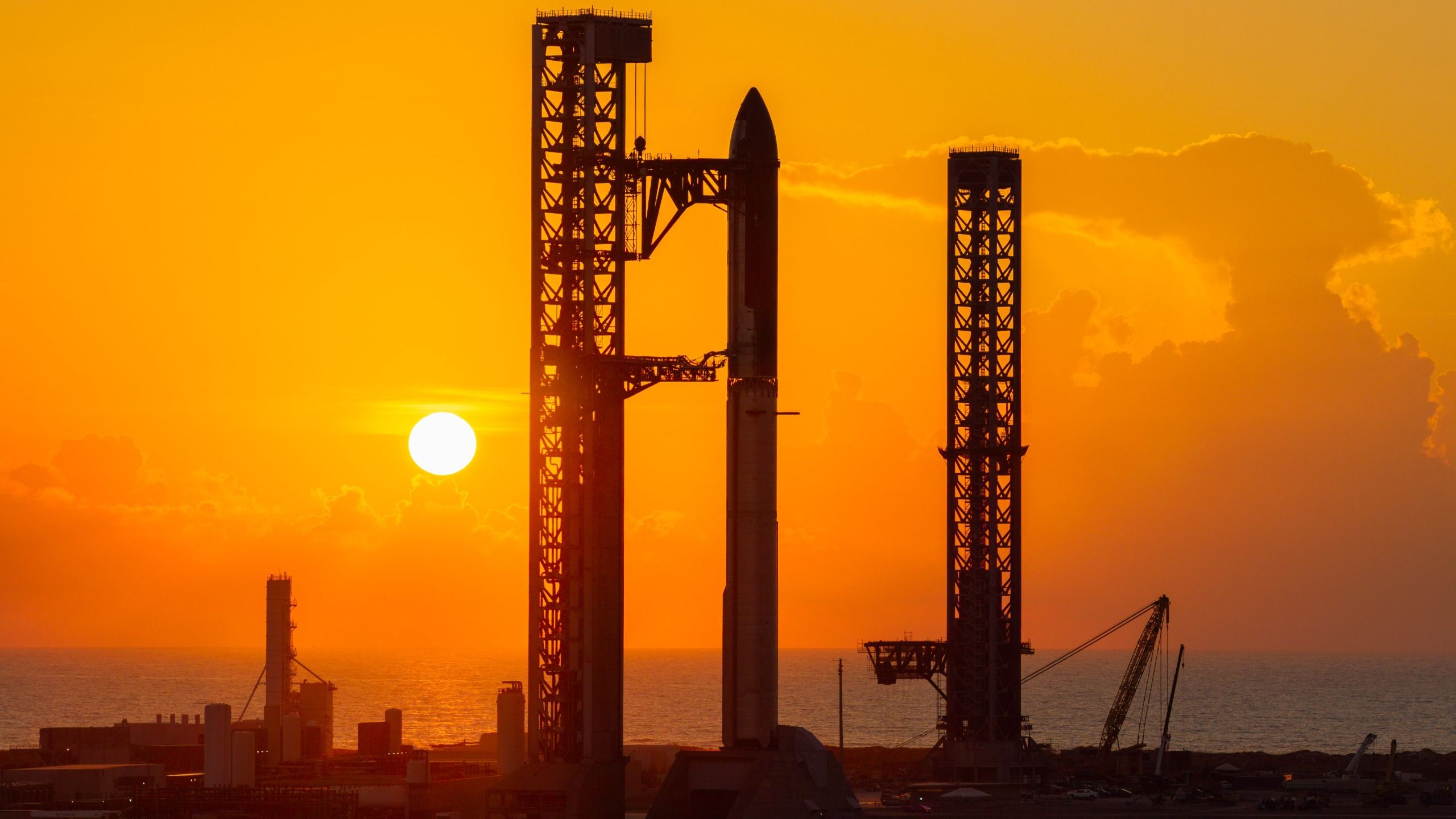
Starship debuted in April 2023 and had 13 missions under its belt before Flight 14, all of them suborbital. A photo showed the rocket at Starbase's Pad 2 ahead of the 14th test flight. Flight 14 sent the 171-foot-tall (52 m) Ship to Earth orbit, where it deployed 26 of SpaceX's next-gen Starlink Version 3 internet satellites. These are the first members of a new megaconstellation in low Earth orbit that Elon Musk has said will eventually consist of 100,000 spacecraft; SpaceX currently operates about 11,000 Starlink satellites in LEO.
Ship circled Earth six times, then headed home for a splashdown in the Pacific Ocean off the coast of Chile nearly 10 hours after launch. That was a departure from Starship's suborbital flights, which lasted a maximum of 65 minutes and targeted the Indian Ocean off the coast of Western Australia. Super Heavy did not stay up nearly as long; it splashed down in the Gulf of Mexico about seven minutes after liftoff, as it had on previous flights.
During operational flights, SpaceX plans to bring both Super Heavy and Ship back to the launch pad, where they will be caught by the tower's 'chopstick' arms. The company has already done this three times with Super Heavy but has not yet attempted it with Ship; that box will be checked on another flight. The excerpt notes Starship will have other hurdles to clear as well, even if today's flight succeeded.