NASA Adds New Science Investigations for Moon Base
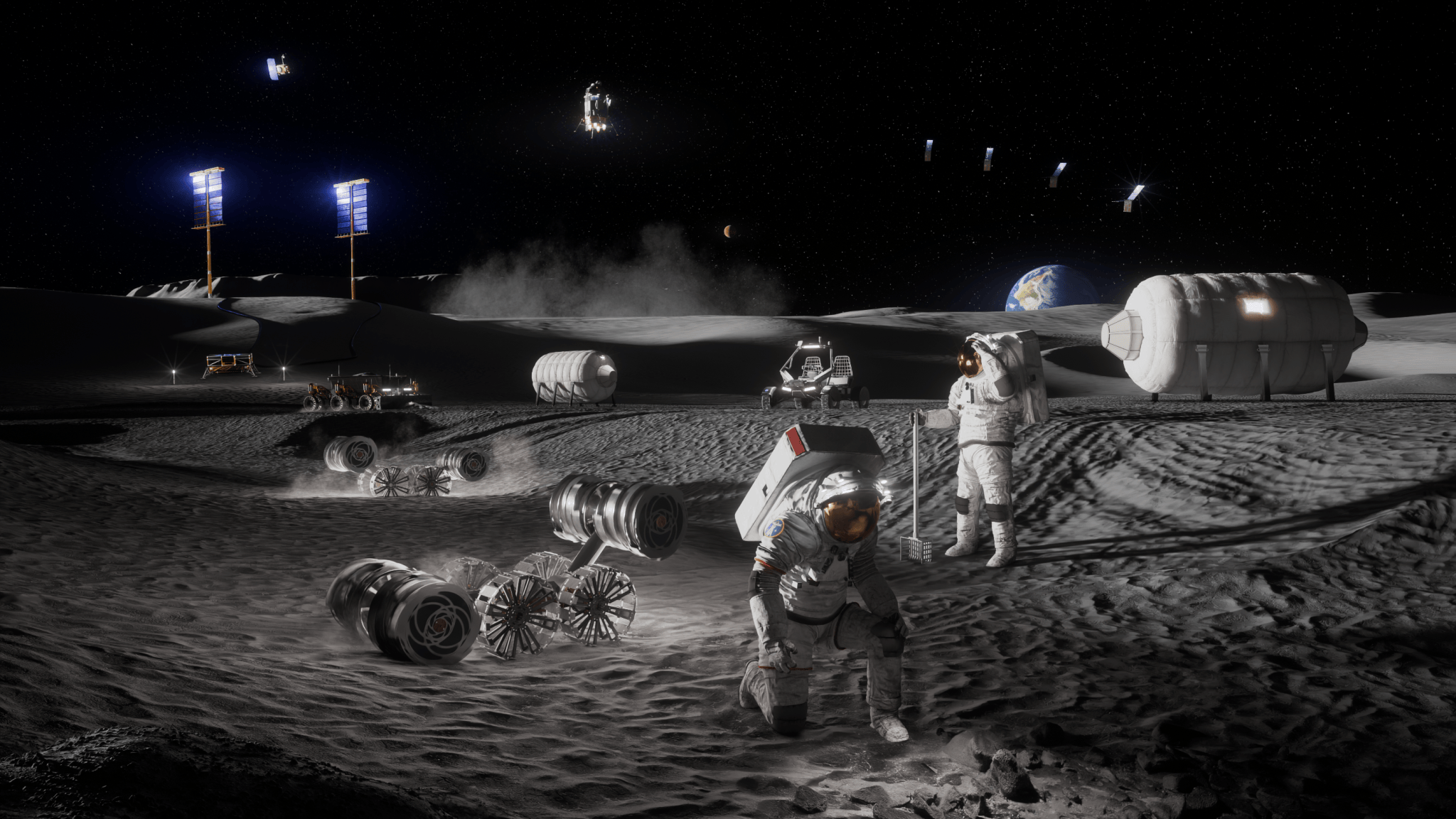
NASA has selected three new scientific investigations and their payload suites to advance knowledge of the Moon and help pave the way for humanity's first lunar outpost, Moon Base. The instruments were chosen through NASA's Payloads and Research Investigations on the Surface of the Moon (PRISM) program and will fly to the lunar surface using the CLPS (Commercial Lunar Payload Services) initiative as part of the agency's Moon Base Program. (An editor's note indicates the release was updated on Sept. 30, 2026, to correct the name of the DISCO payload.)
Collectively, the payloads are intended to help researchers understand lunar resources, map natural shelters, and assess environmental hazards, laying foundational groundwork for a safe and sustained human presence under the Artemis and Moon Base programs. Nicky Fox, associate administrator of NASA's Science Mission Directorate, framed the effort as building "the ultimate interplanetary survival guide," saying the selections will minimize risks to astronauts while maximizing agency goals as NASA works toward the first lunar outpost in preparation for sending astronauts to Mars.
The first suite, Lunar Environment Monitoring Station – South Pole (LEMS-SP), is an autonomous, long-term environmental and hazard monitoring station. It is designed to build a picture of the lunar environment by monitoring falling micrometeoroids and tracking the abundance of volatiles — materials that can easily shift into gas — drifting into the Moon's thin outer layer of gases. Using a short-period seismometer to detect seismic events, it could deliver the hazard assessments needed to ensure the physical safety of Moon Base hardware. Its principal investigator is Dr. Mehdi Benna of the University of Maryland, Baltimore County.
The second suite, the Geophysical Investigation for Mapping Lunar Interior (GIMLI), will be deployed at the Marius Hills Pit to hunt for subterranean lava tubes and improve understanding of fundamental lunar volcanic processes. It will scan beneath the surface to determine whether the pit leads into a large underground lava tube. If it does, such natural spaces could offer future astronauts ready-made protection from extreme temperatures and harmful radiation, and confirming these void spaces could shift future habitat planning toward natural shelters that provide thermal stability and shielding from ionizing radiation and micrometeoroid bombardment. Its principal investigator is listed as Dr. Nathan (name truncated in the source excerpt).