NASA Glenn’s Legacy Forged Through Decades of Flight Research
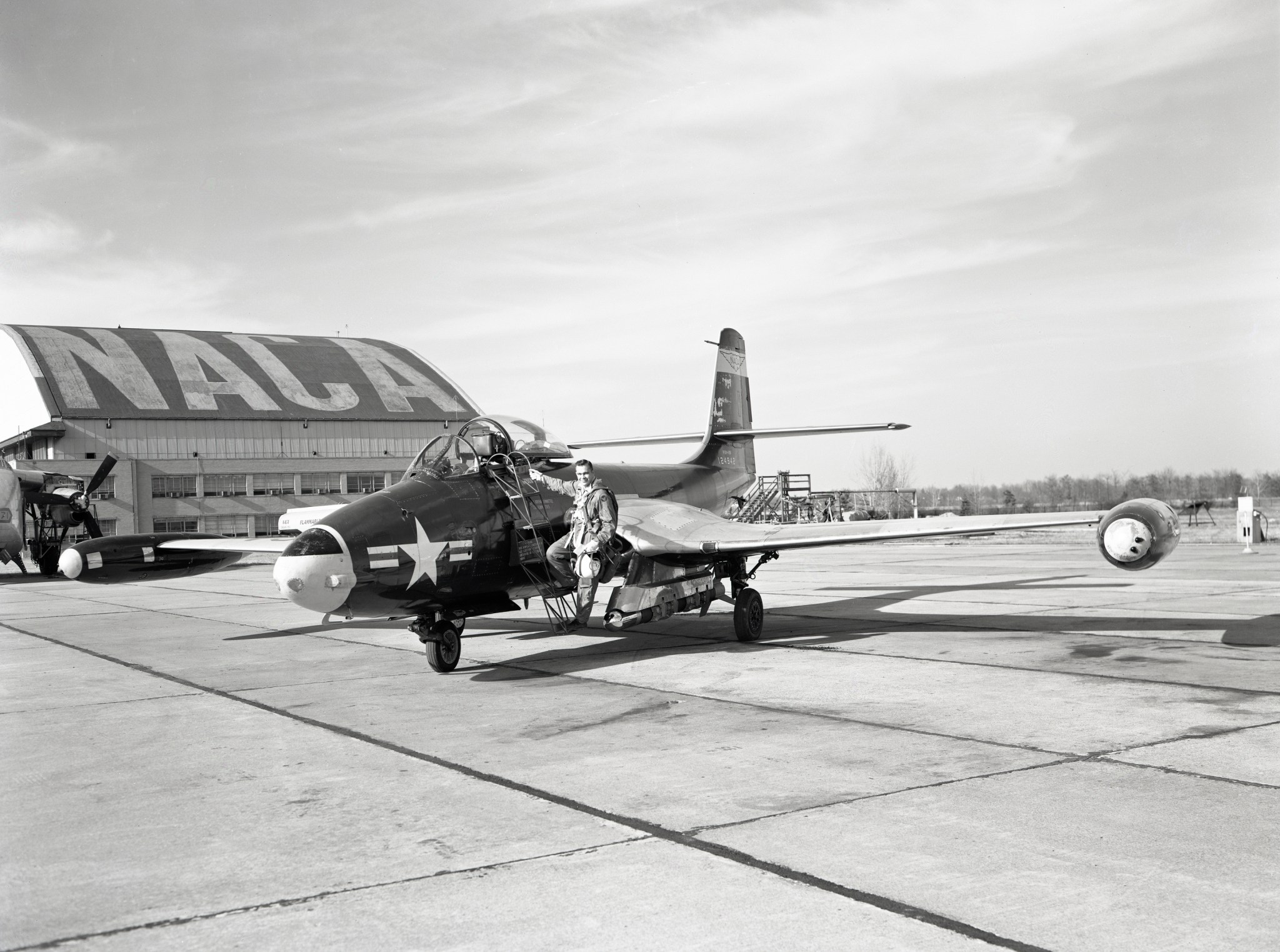
NASA Glenn Research Center in Cleveland has a decades-long history of flight research that began in the 1940s, when it was the Aircraft Engine Research Laboratory for NACA, NASA's predecessor. During World War II, engineers and pilots worked to improve aircraft performance and high-altitude reliability, and in the mid-to-late 1940s, flight research helped make early jet and ramjet engines practical. Later, Glenn's flight programs improved the efficiency and environmental performance of conventional jet engines.
Behind these efforts were pioneering pilots who established Glenn's reputation for airborne research. The first generation, including Howard Lilly, Joseph Walker, William Swann, and William 'Ed' Gough, laid the groundwork for more than two dozen later pilots, including future astronauts Neil Armstrong and Fred Haise. As Mark Russell, a NASA safety officer and former acting chief of Aircraft Operations at Glenn, put it, 'These missions transformed aircraft into flying laboratories. They bridged the gap between ground testing and full-scale flight, proving the measurements needed to connect theory with performance. The testing also helped validate technologies and procedures later used aboard spacecraft and orbital missions.'
Two specific research areas highlight the center's contributions. For nearly 40 years, Glenn's De Havilland DHC-6 Twin Otter served as the workhorse for icing research, gathering data that helped shape modern aviation safety standards. Earlier, from February to April 1957, Glenn tested a hydrogen fuel system on a Martin B-57B Canberra, demonstrating hydrogen's potential viability as an aviation fuel decades before today's renewed interest.