NASA Updates Next Steps for Commercial Swift Boost Mission
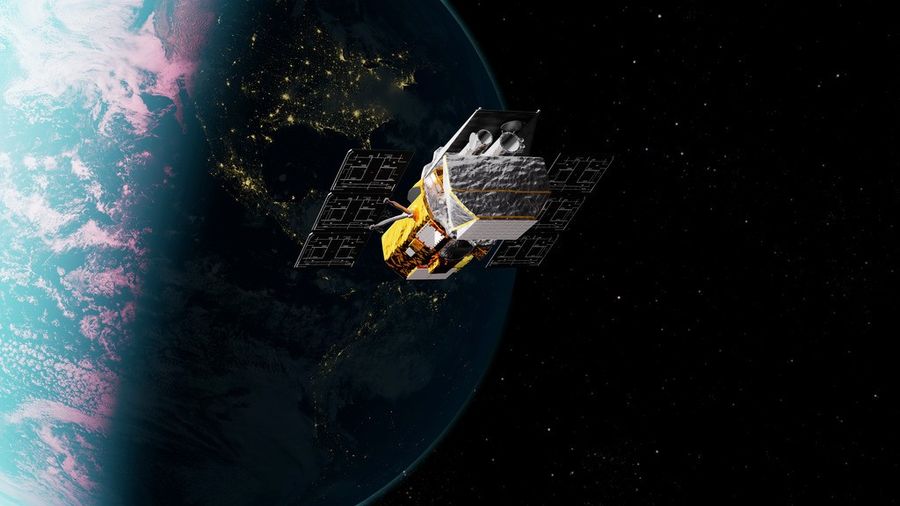
NASA and Katalyst announced that the LINK spacecraft will not capture and boost NASA's Swift Observatory due to an ongoing attitude control issue on the commercial spacecraft. Instead, LINK will attempt rendezvous and proximity operations with Swift to demonstrate key capabilities for satellite servicing and future space exploration. This changes the original plan for the Commercial Swift Boost Mission, which aimed to extend Swift's science mission by raising its orbit.
NASA Administrator Jared Isaacman said, "NASA should be willing to move quickly and take smart risks when the potential return is worth it, and that is exactly what we did with this mission." He added that while it is not the outcome they were working toward, the team moved with extraordinary speed and will learn everything possible from the rendezvous attempt. Shawn Domagal-Goldman, director of the Astrophysics Division, called it a "high-risk, high-reward mission – a first-of-its kind attempt, developed on an unprecedented timeline driven by the Sun's activity." He noted that the takeaways would be worthwhile either way and that the mission has already strengthened the space industry pipeline, with the team getting to the launch pad in record time during a record-setting year for NASA astrophysics launches.
Swift, launched in 2004 to study gamma-ray bursts, was designed for a two-year prime mission and has operated for 21 years, but its orbit has begun to rapidly decay due to increased solar activity. Without intervention, NASA expects Swift to re-enter Earth's atmosphere later this year. NASA will continue to prioritize finding new ways to react rapidly to cosmic events, using current missions to fill the gap, while the team learns everything possible from LINK's upcoming rendezvous attempt to inform future servicing missions.