Summer Training: Catching Up With NASA’s Astronaut Candidates
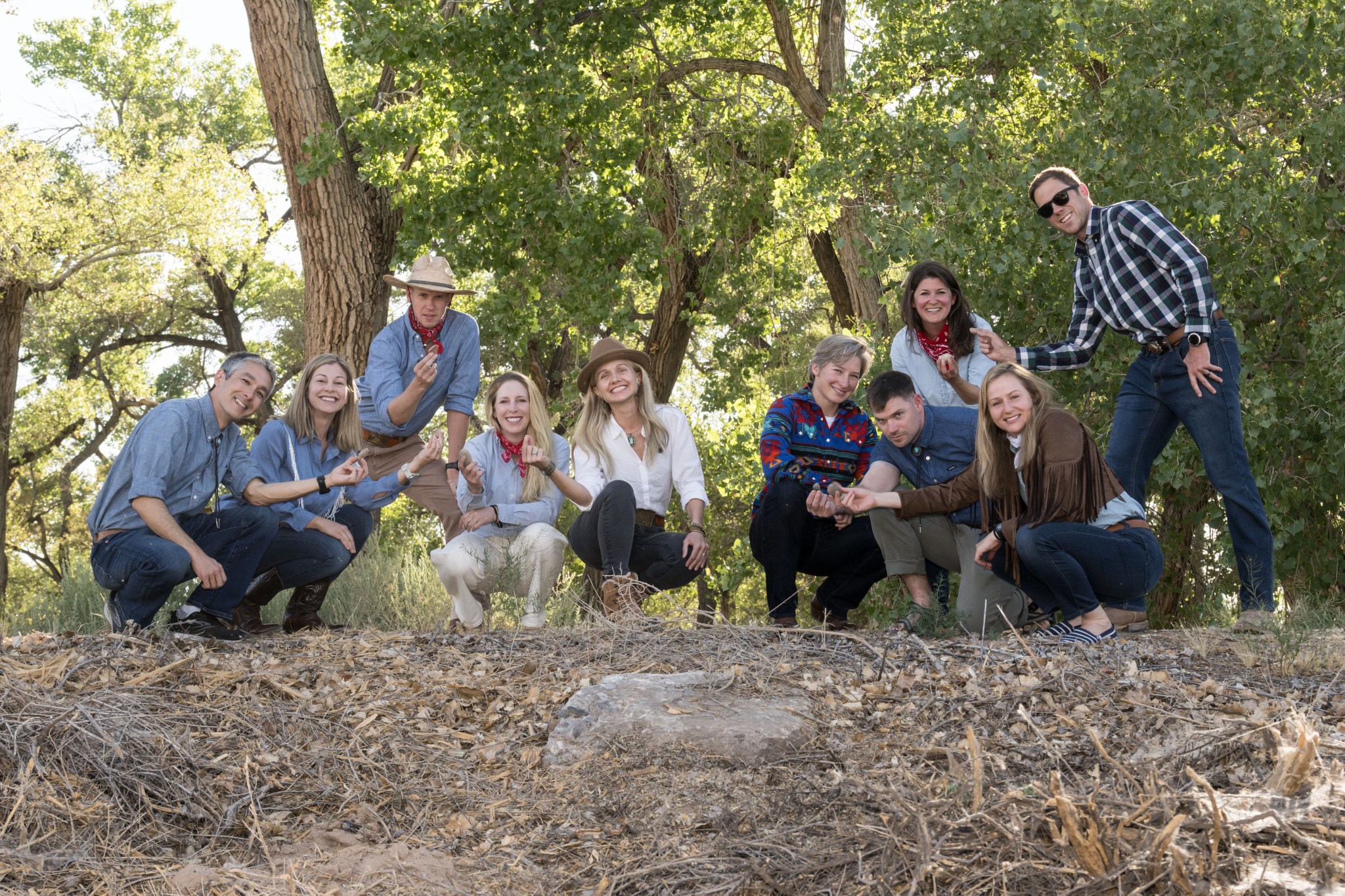
The 10 members of NASA’s 2025 Astronaut Candidate Class were introduced on Sept. 22, 2025, from Johnson Space Center in Houston, and are about halfway through a nearly two-year training program. The program is designed to prepare them for missions to low Earth orbit, the Moon, and eventually Mars.
Because candidates could be assigned to a future Artemis mission to the lunar surface, geology is a major component. In May they completed classroom training at Johnson before traveling to Rio Grande del Norte National Monument in New Mexico for more classroom instruction and field work; in July, several candidates joined NASA astronauts and Artemis mission support teams for geology field training in Iceland, where they practiced geologic observations, sampling with tools, navigation, and teamwork—skills that translate directly to Artemis lunar missions.
Flight training this summer included flights on NASA’s WB-57s, a trio of long-range, high-altitude research aircraft in service since the 1960s, and the class also began flying NASA’s T-38 supersonic jets. Candidates spent time in one of Johnson’s altitude chambers, which simulate pressure levels from sea level to near vacuum; after donning flight suits and helmets, they familiarized themselves with high-altitude and spaceflight conditions and practiced safety protocols and interventions.
They continued survival training for the unlikely event of a remote landing, including water survival exercises in Johnson’s Neutral Buoyancy Laboratory (NBL) that also build teamwork and decision-making. In addition, candidates are taking intensive Russian language and cross-cultural training, learning to operate spacecraft systems used in human spaceflight, conducting spacewalk training at the NBL, and training inside mockups of space vehicles, while also learning emergency procedures and spacecraft maintenance and repair.
The class is on track to graduate in 2027, when its members will join NASA’s active astronaut corps and await their first flight assignments.