Former SR-71 engineer talks NASA's Blackbird revival program
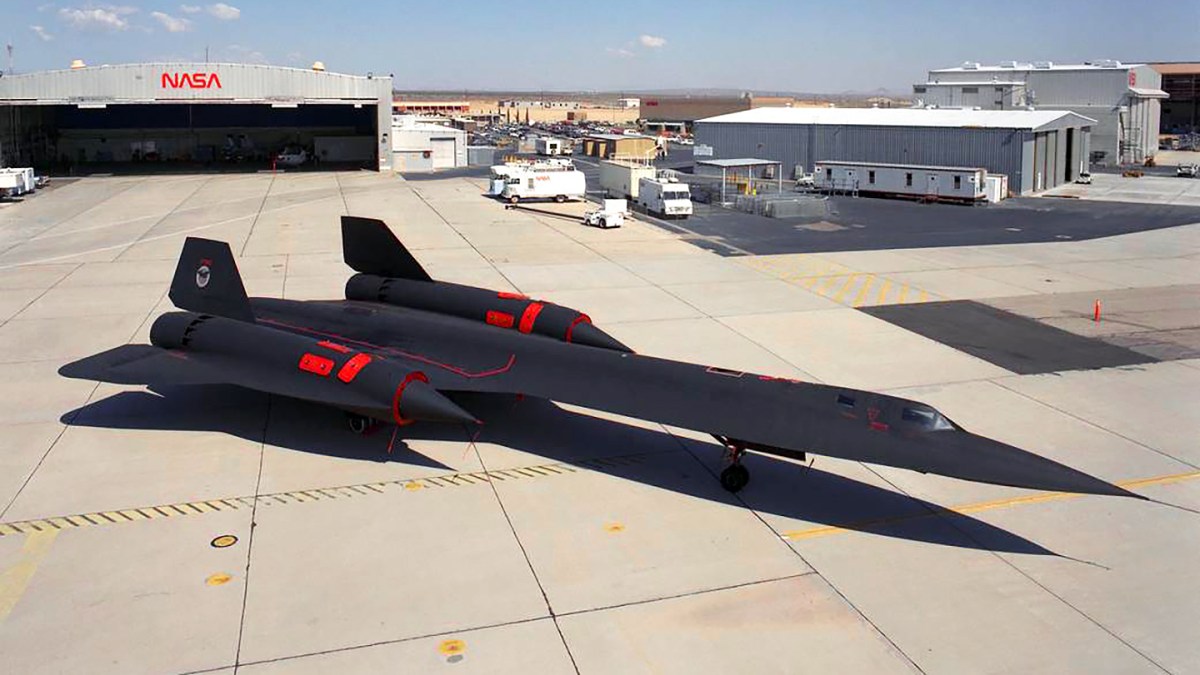
Tim Conners, NASA’s lead propulsion engineer for the agency’s SR-71 Blackbird program in the 1990s, is offering an insider perspective on NASA’s secretive work to return the aircraft to flight. Conners worked extensively on Tail 844, the SR-71 Blackbird that mysteriously disappeared from NASA’s Armstrong Flight Research Center and is the focus of the current speculation. Now technical director for advanced weapons systems at Tiberius Aerospace, he discusses what it would take to get the Blackbird flying again after 27 years of dormancy and its possible future flight-test role for NASA.
The interview follows a chain of recent developments. Late last month, reporting based on satellite imagery over Armstrong showed Tail 844 had been missing since at least May, a revelation first made by Steve Trimble, Aviation Week’s defense editor and a friend of TWZ. It came after NASA Administrator Jared Isaacman cryptically teased plans for a new high- and fast-flying X-plane, using a silhouette that immediately drew comparisons to the Blackbird. Trimble reported this week that NASA had been talking to ex-SR-71 program personnel about coming back to work on the aircraft. Together, those events fueled rampant speculation about whether NASA planned to resurrect the Blackbird and for what purpose.
In an exclusive TWZ interview—lightly edited for clarity—Conners described how his involvement began: as an engineer at NASA’s Dryden Flight Research Center in the early 1990s, he was in the propulsion group when NASA took delivery of three airframes as the Air Force retired the fleet. NASA received two A models and a trainer, including Tail 844, the NASA designation that is now drawing all the attention; the aircraft arrived at Dryden in the early ’90s. Because the group was short-staffed, and after about three or four years at NASA, he was tapped to prepare the NASA side of the mission for upcoming research flights. He had a few years to get familiar with the aircraft, though it was a part-time job alongside his role as propulsion engineer overseeing NASA’s F-15 fleet.
Conners said the Blackbird research missions began in 1996. He left NASA in 1998 but was able to support the program through two years of flight testing. The interview is presented as giving insight into what NASA is working on with the Blackbird revival and how far along the process is.