NASA’s Dark Universe-Seeking Nancy Grace Roman Space Telescope Launches
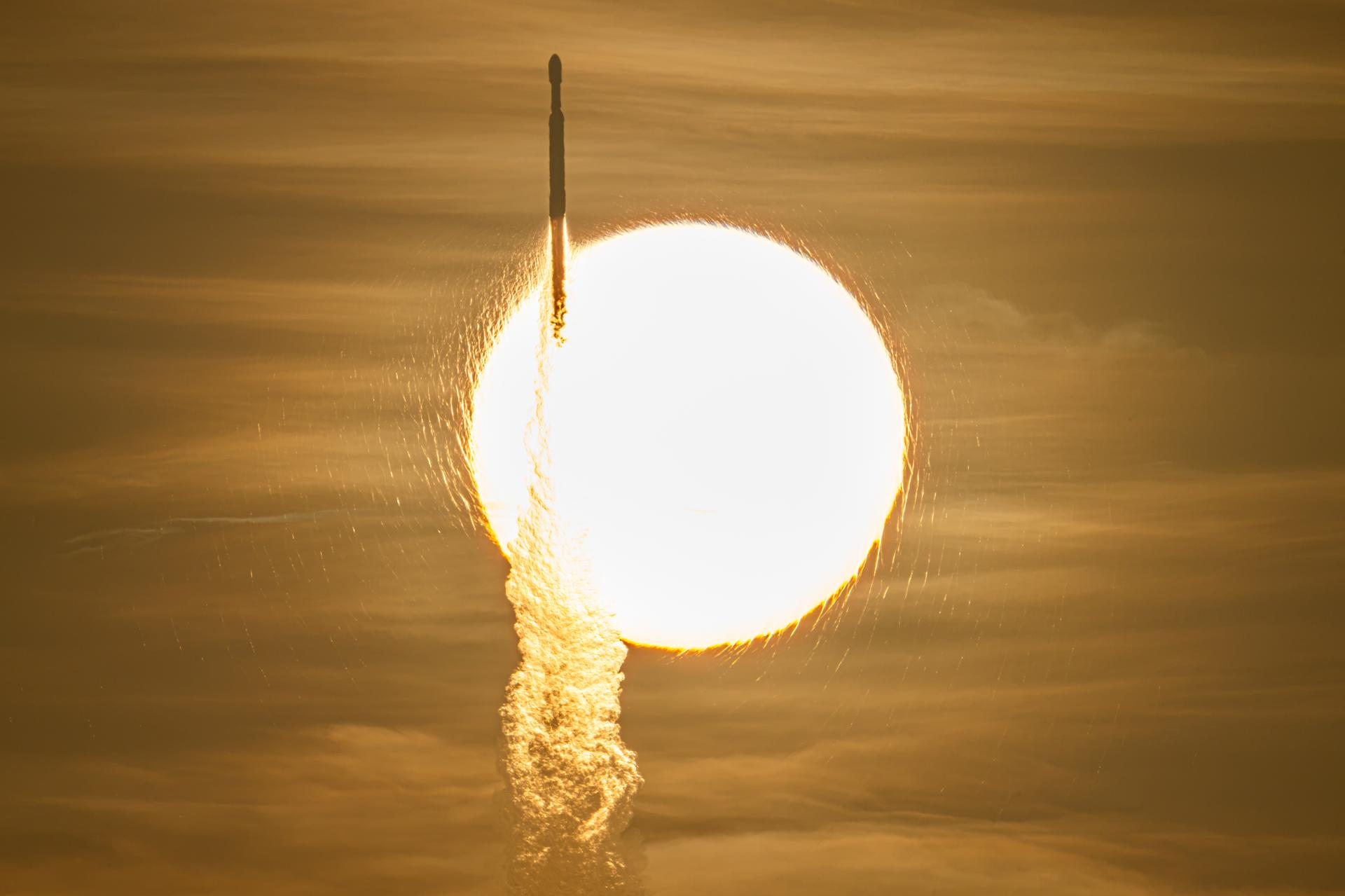
NASA’s Nancy Grace Roman Space Telescope launched at 7:26 a.m. EDT Sunday aboard a SpaceX Falcon Heavy from Launch Complex 39A at Kennedy Space Center, beginning a three-month journey to the Sun-Earth L2 Lagrange point roughly one million miles from Earth. The mission combines a large field of view with infrared imaging to survey wide swaths of the sky and probe cosmic history, with primary goals including dark matter, dark energy, and exoplanet studies. NASA Administrator Jared Isaacman called the launch 'exactly the kind of success story we want to see,' noting the telescope was delivered ahead of schedule and on budget.
The Falcon Heavy performed as expected, separating the observatory 31 minutes into flight, and the rocket's side boosters safely returned to the launch site for refurbishment. Ground controllers at NASA's Goddard Space Flight Center received telemetry seven minutes after liftoff. Associate administrator Nicky Fox described Roman as 'a discovery machine' that will 'make the invisible visible' and lay groundwork for the search for life beyond our solar system.
During early orbit, Roman communicates via the Near Space Network's ground stations and relay satellites; about 70 minutes after launch, the Deep Space Network takes over, initially through the Canberra complex, then Madrid, then Goldstone, ensuring continuous contact. The team confirmed successful deployment of the solar panels and lower instrument sun shade 1 hour and 23 minutes after launch. Over the coming days, Roman's high-gain antenna and visor-like deployable aperture cover will deploy, and ground controllers will begin next-phase commissioning.