NASA figured out how to keep its Voyager 2 probe running for another year
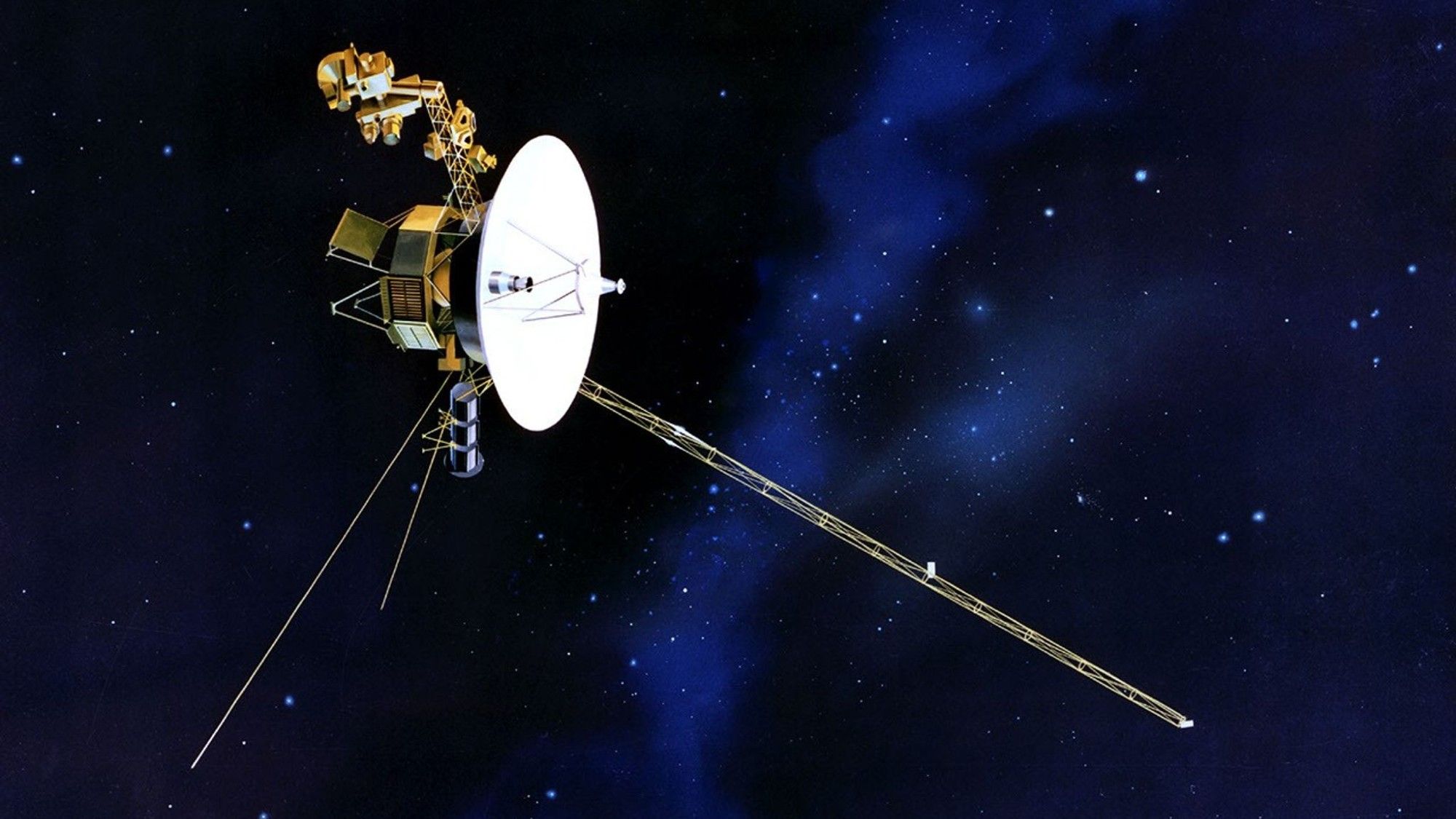
Voyager 2 and its twin Voyager 1, both launched in 1977, are powered by radioisotope thermoelectric generators that convert heat from plutonium decay into electricity. That plutonium supply drops by about four watts per year on each spacecraft, and NASA says power margins have become razor thin, forcing engineers to conserve energy.
Engineers reduced Voyager 2's power requirements by turning off non-science devices and switching to lower-power alternatives that still keep the spacecraft warm in interstellar space. Thanks to this "Big Bang" power shift, all three of Voyager 2's remaining instruments can now operate for at least another year. Voyager 1 is expected to undergo the same change in the coming months. A one-way signal to each spacecraft takes nearly 24 hours; Voyager 2 is about 142 astronomical units from Earth, while Voyager 1 is nearing 171 AU.
The power decline has already taken a science toll: both spacecraft have turned off two science instruments since 2024. Voyager 2 launched with 10 instruments and now has only three, with some shut off after planetary flybys decades ago and others lost to power constraints. The spacecraft completed their grand tour of the outer planets, with Voyager 2 making the first flybys of Uranus and Neptune (last in 1989), and both now send data from interstellar space — Voyager 1 entered that region in 2012, followed by Voyager 2 in 2018.