NASA’s SpaceX Crew-13 Launches to International Space Station
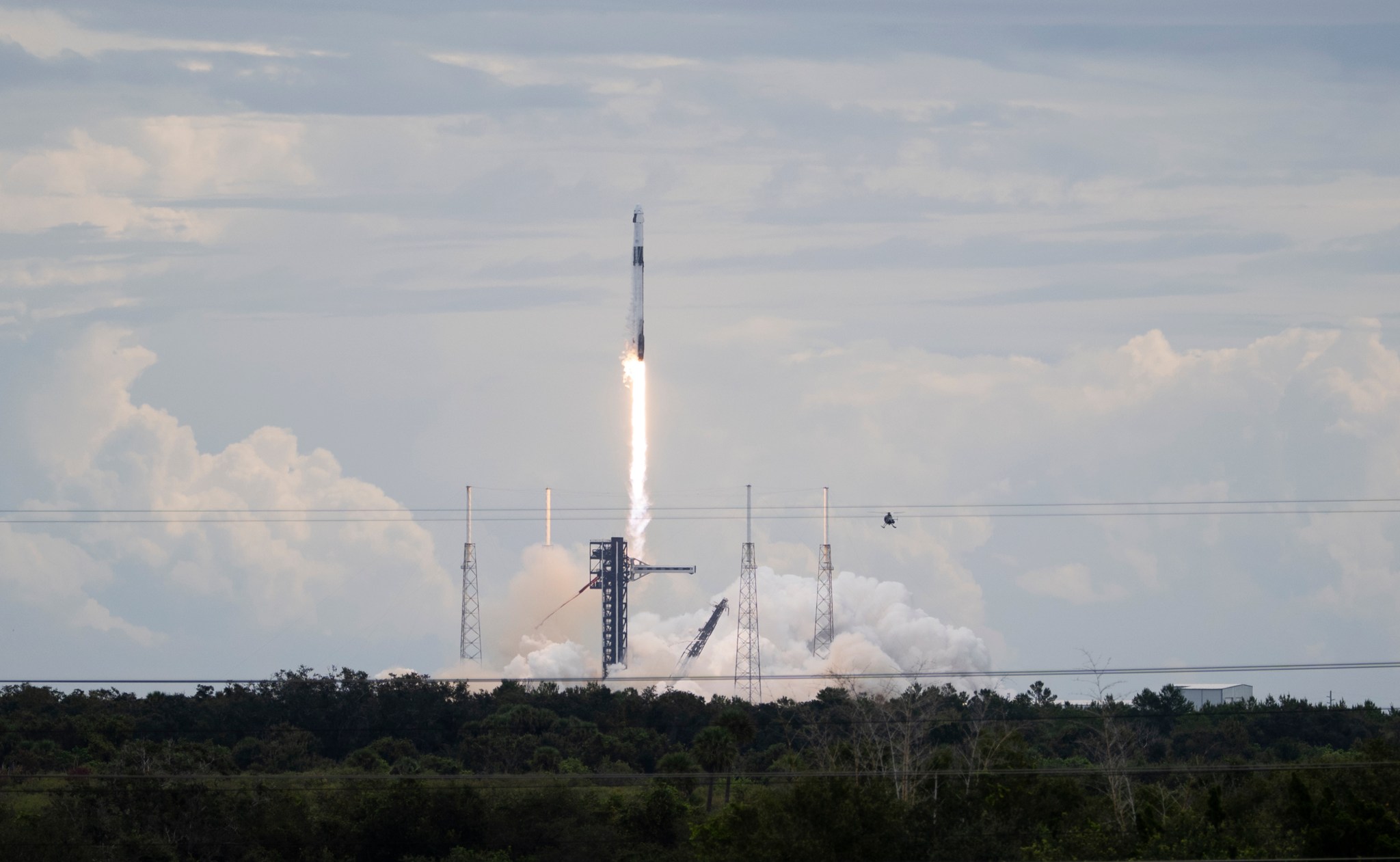
NASA’s SpaceX Crew-13 mission launched at 11:10 a.m. EDT Thursday from Space Launch Complex 40 at Cape Canaveral Space Force Station in Florida, sending four crew members on a science expedition to the International Space Station. A SpaceX Falcon 9 rocket propelled a Dragon spacecraft into orbit carrying NASA astronauts Jessica Watkins and Luke Delaney, CSA astronaut Joshua Kutryk, and Roscosmos cosmonaut Sergey Teteryatnikov. NASA Administrator Jared Isaacman said Crew-13 demonstrates America’s human spaceflight capability and commercial partnerships, adding that the crew will carry forward important ISS work while building experience for missions to the Moon and beyond.
The spacecraft will dock autonomously to the forward port of the station’s Harmony module at approximately 7 p.m., which NASA says would be the fastest launch-to-docking by a U.S. spacecraft in ISS history. During Dragon’s roughly 7-hour, 50-minute flight, SpaceX will monitor automatic spacecraft maneuvers from its mission control center in Hawthorne, California, while NASA monitors space station operations from the Mission Control Center at Johnson Space Center in Houston. NASA’s live arrival coverage begins at 5:20 p.m. for rendezvous, docking, and hatch opening, and the arrival will be streamed across multiple platforms; viewing details are at https://www.nasa.gov/live.
After docking, the crew will change out of their spacesuits and prepare cargo for offload before opening the hatch to Harmony at around 8:45 p.m. Watkins, Delaney, Kutryk, and Teteryatnikov will join the Expedition 75 crew, which already includes NASA astronaut Anil Menon and Roscosmos cosmonauts Pyotr Dubrov and Anna Kikina. After a brief handover, NASA’s SpaceX Crew-12 mission—NASA astronauts Jessica Meir and Jack Hathaway, ESA astronaut Sophie Adenot, and Roscosmos cosmonaut Andrey Fedyaev—will return to Earth.
Dr. Lori Glaze, associate administrator of NASA’s Human Spaceflight Mission Directorate, said the steady cadence of commercial crew launches demonstrates the ISS’s essential role in sustaining presence in Earth orbit and sharpening the tools for the Moon and Mars, and that each station mission adds to NASA’s exploration blueprint. During its mission, Crew-13 will help advance research aboard the orbiting laboratory by using microgravity to produce human stem cells.